22 October 2026
The Impact Of Hormone Treatment On Urinary System Incontinence
Presented by @remingtonjijw727
Does Menopause Cause Urinary System Incontinence?
As opposed to common belief, urine is not clean and sterile, however instead has its own microbiome of healthy and harmful bacteria. When urine is left over in the bladder, useful microorganisms have more time to increase and trigger a UTI. The "excellent" germs (Lactobacillus) that naturally exist around your vaginal area prey on glycogen found in vaginal mucus. The even more glycogen offered, the more the Lactobacilli consume, the more they increase and send out lactic acid, which has an antimicrobial impact on "poor," pathogenic germs. Estrogen is additionally responsible for boosted blood flow to your pelvic area, which assists general urinary and vaginal features. Your physician might intend to carry out some examinations to figure out the health and wellness of your bladder and pelvic flooring.Why Does Menopause Raise The Threat Of Bladder Leaks?
Menopause-related hormone changes can aggravate the bladder and contribute to this condition. In general, the research studies emphasize the complexity of UI in postmenopausal women, where factors Additional hints such as age, hormonal changes, and lifestyle add to the irregularity in frequency and symptom intensity. If you are uncomfortable or unsure about doing Kegel workouts on your own, a medical professional or nurse can additionally teach you how to do Kegels. A pelvic flooring physical therapist or various other professional may likewise be readily available in your area to help instruct you exactly how to strengthen these muscles.Pelvic Floor Exercises And Treatment
A lot of the moment this spontaneous leakage is a couple of drops of urine, however it can become a complete loss of control. Hormonal agents play a vital function in eliminating waste with the urinary system and regulating body organ feature. Adjustments in hormone levels can affect the bladder, muscles, and nerves involved in peeing. These changes may result in urinary system tract infections (UTIs), urinary incontinence, or urinary regularity.- A 2011 research reviews just how estrogen plays an essential role in keeping our vaginas and urinary tracts healthy and balanced.
- This kind can be caused by an increase in bladder sensitivity triggered, once again, by reduced estrogen levels.
- Sometimes you can feel a constant desire to pee called over active bladder.
- Let's delve into the link in between menopause and urinary incontinence, exposing myths and providing useful options for handling and alleviating your symptoms.
- Our compilation consisted of 11 researches encompassing a total amount of 8,547 postmenopausal women [10-20]
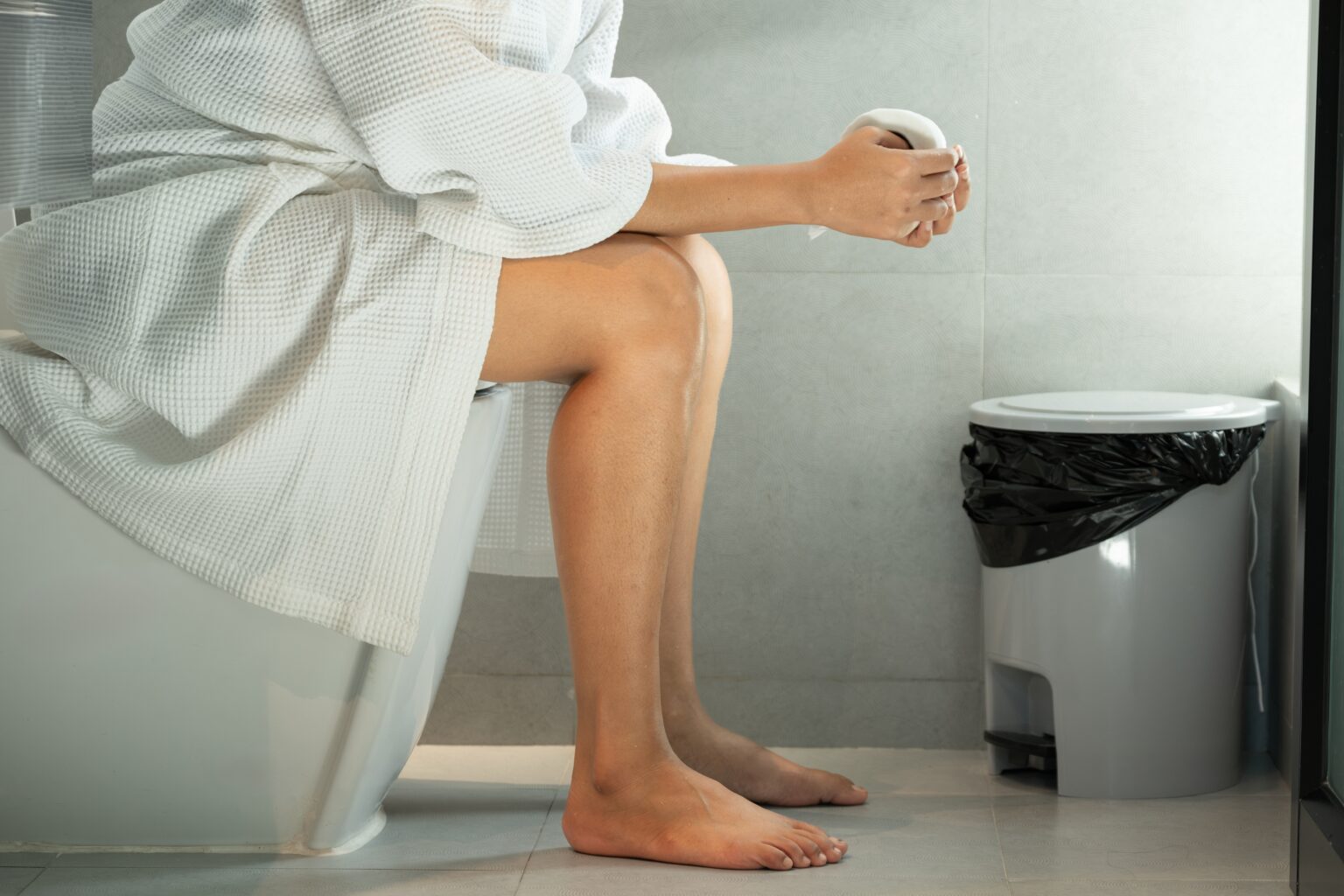
These might include medications to aid with bladder function, local hormonal agent treatment, treatments like neurostimulation, or surgical procedures to strengthen support for the bladder and urethra. Another remarkable effect estrogen has on the urinary tract is how it aids the bladder eliminate an infection. If left untreated, urinary system incontinence can become worse and can reduce your quality of life. It's not uncommon for individuals with incontinence to have depression, anxiousness, or shame surrounding their condition. People with urinary incontinence have actually reported that it causes them to miss social events, disrupt their work-life, and restrict their time with family and friends. However did you know ladies can additionally experience bladder leakages throughout this time around?
Urinary system incontinence is a key sign of GSM, negatively influencing the quality of life, day-to-day activities, and sexual feature of these ladies [22] Troubles throughout labor and childbirth, especially genital birth, can deteriorate pelvic floor muscles and harm the nerves that regulate the bladder. Most issues with bladder control that occur as an outcome of labor and delivery go away after the muscles have actually had some time to heal. If you're still having bladder problems 6 weeks after giving birth, speak to your medical professional, nurse, or midwife. Urinary system urinary incontinence (UI) is likewise referred to as "loss of bladder control" or "uncontrolled urinary leak." Countless women experience it, and the frequency of UI often Go here tends to increase as you age. 